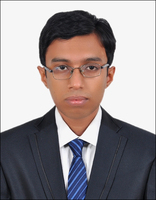
Shuvadeep Ganguly
AIIMS, Kalyani. Associate of IASc since 2024
Dr. Shuvadeep Ganguly is an Assistant Professor in the Department of Medical Oncology and Hematology at All India Institute of Medical Sciences Kalyani. He completed his undergraduate, postgraduate, and postdoctoral training at All India Institute of Medical Sciences New Delhi. His research interests include cancer supportive care, cancer immunology, and clinical trials in oncology, with a particular focus on challenges relevant to India and other low-resource settings. He has conducted studies on the role of malnutrition and micronutrients in childhood malignancies and has worked on interventions aimed at improving nutrition and supportive care during cancer treatment. Dr. Ganguly is also actively involved in evaluating the cost-effectiveness of anticancer therapies from an Indian healthcare perspective, contributing to evidence-based approaches for improving cancer care in resource-constrained settings.
Session 1D: Inaugural Lectures by Fellows/Associates
Chairperson: Analabha Basu, NIBMG, Kalyani
Understanding Supportive Therapy in Cancer to Bridge the Survival Gap
Cancer survival continues to differ markedly between high-income countries and Low- and Middle- Income Countries (LMICs) such as India, a disparity that is particularly evident in pediatric oncology despite the availability of curative therapies. Beyond tumor biology and treatment protocols, supportive care remains an underrecognized determinant of patient outcomes. This talk frames cancer treatment as a dynamic interaction between disease, therapy, and host resilience, with a particular focus on nutrition as a critical yet often overlooked component. Drawing on clinical and translational research in childhood cancer, the presentation will highlight how nutritional status, both at diagnosis and throughout treatment, influences treatment tolerance, recovery, and overall outcomes. The discussion aims to position supportive care during cancer treatment as a central scientific and clinical challenge, fostering interdisciplinary engagement across fields such as metabolism, immunology, and public health to help reduce global disparities in cancer survival.