Sathees C Raghavan
IISC, Bengaluru. FASc since 2016
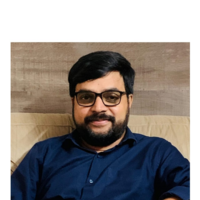
Dr Sathees C Raghavan earned his PhD from the Banaras Hindu University, Varanasi, followed by postdoctoral research at the University of Southern California, USA. He now serves as Professor in the Department of Biochemistry and Chair of the Central Animal Facility at the Indian Institute of Science (IISc), Bengaluru. His research group at IISc investigates the mechanisms of genomic instability in leukemia and lymphoma. They also explore the immune system's role in chromosomal abnormalities, mechanisms of DNA double-strand break repair, and cancer therapeutics. With over 185 publications in top peer-reviewed journals and 14 patents to his name, Dr Raghavan has mentored 41 students, of whom 31 completed their PhDs. His accolades include the Shanti Swarup Bhatnagar Prize (2013), Leukemia Research Foundation Award (USA, 2010), Kobayashi Foundation Award (2016), NASI-Reliance Industries Platinum Jubilee Award(2015), ISCB S. P. RAY Chaudhuri Lecture Award (2023), Society for Biological Chemistry Ram Rao Lecture Award (2024), JC Bose National Fellowship (2024), etc. Dr Raghavan is a Fellow of the Indian Academy of Sciences, Bengaluru; The National Academy of Sciences, Prayagraj; the Indian National Science Academy, New Delhi (2023), and the National Academy of Medical Sciences, New Delhi (2025).
Session 1D: Inaugural Lectures by Fellows/Associates
Chairperson: Analabha Basu, NIBMG, Kalyani
The Molecular Basis of Chromosomal Translocations: Roles of DNA Conformation and Immune Machinery
Hematopoietic malignancies, including leukemias and lymphomas, account for roughly 8–10% of cancers worldwide and are frequently associated with characteristic chromosomal translocations that serve as important diagnostic and prognostic markers. These translocations arise when aberrant DNA double strand breaks (DSBs) on different chromosomes are misrepaired and rejoined. However, the molecular events that predispose specific genomic loci to such pathogenic breaks remain poorly understood. Recent evidence implicates non-B DNA conformations – such as G quadruplexes, cruciforms, triplexes, and R loops – as intrinsic structural features that promote genome instability at translocation-prone regions. Building on this concept, our work demonstrates that many chromosomal fragile regions linked to hematopoietic neoplasia adopt these alternative DNA structures. We further show that lymphoid-specific enzymes that normally generate immunoglobulin diversity – RAG endonucleases and activation induced cytidine deaminase (AID) – can target these non B DNA structures and contribute to DSB formation at non-immunoglobulin loci. Notably, we find that a functional non- amer element positioned near a non B DNA motif markedly enhances RAG-mediated cleavage, revealing a previously unrecognized mechanism by which RAG activity can drive chromosomal translocations in lymphoid cancers. Together, these findings integrate DNA secondary structure and lymphoid-specific enzymology into a unified model of translocation genesis, with implications for understanding cancer etiology, improving molecular diagnostics, and identifying new targets for genomic stability-preserving therapies.